

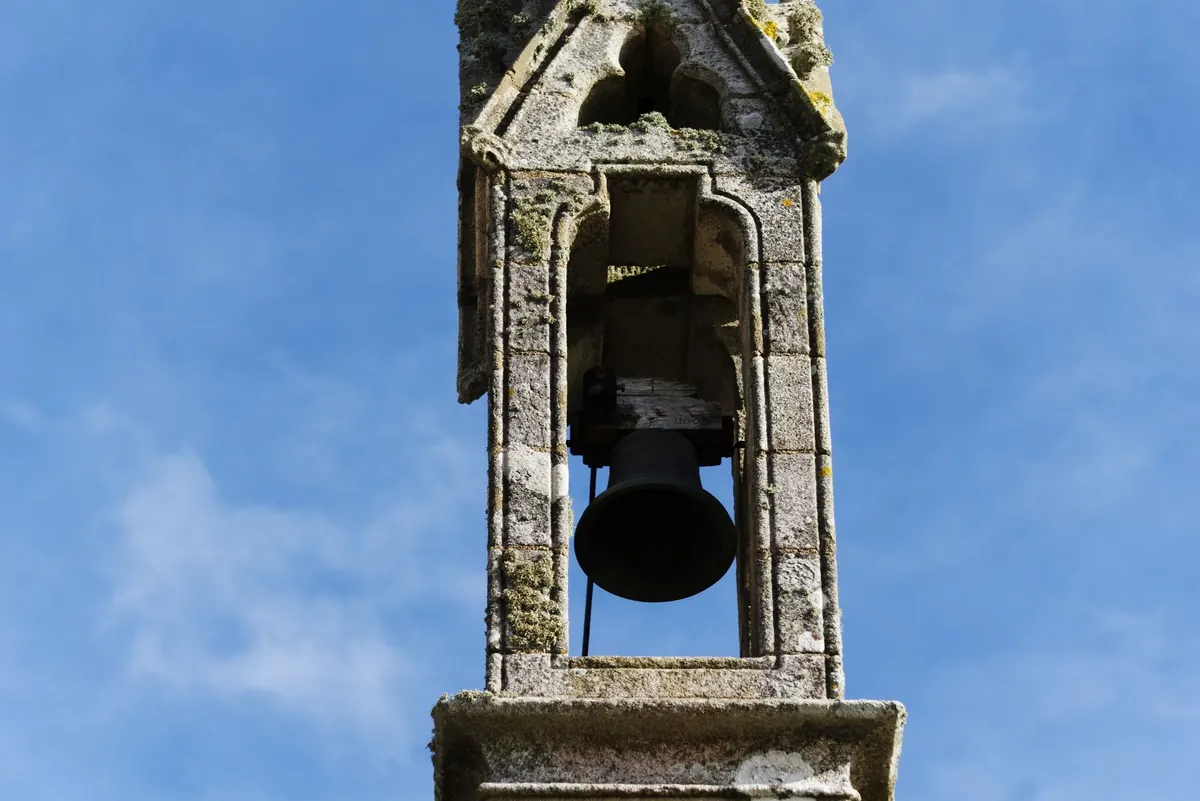

7 Common Mistakes When Displaying Decorative Bells
A beautiful bell still loses its charm when it's hung badly. Seven display mistakes that dull, damage or endanger decorative bells — and the simple fixes for each.

A decorative bell is one of the few objects in a home that asks for nothing. It doesn't need to be watered, dusted daily or turned toward the light. Hang it, and it becomes a small piece of architecture: a shape at the edge of a doorway, a glint above a sideboard, a sound that arrives when someone opens a door. That ease is exactly why bells get displayed badly. We treat them as permanent, then wonder a year later why the brass has gone cloudy or the ribbon has stiffened and snapped.
Most problems aren't dramatic. They're small, cumulative, and almost always avoidable. What follows is the checklist I'd go through before putting another nail in the wall.
1. Hanging Bells in the Path of Everyday Traffic
The instinct is to hang a bell where people will see it, and where people are is usually where shoulders, bags and coat sleeves are too. A bell hung at the standard height of a door frame looks charming in a photograph and becomes an obstacle in real life. Adults duck, guests apologise, and eventually someone catches the clapper and the bell swings into the wall.
Look at the hanging spot for a moment before you commit. Stand in the doorway and walk through it with a bag over your shoulder. If you'd flinch, move the bell. Good alternatives are a spot above head height, a wall just to the side of the frame, or a hook set back from the swing of a door. In narrow hallways, a bell hung flat against the wall rather than projecting into the corridor will survive far longer.
Also check what's behind and below. A cast metal bell that swings against a plaster wall leaves a mark within weeks; one that swings over a hard floor risks a chip if it falls.
2. Ignoring Humidity and Temperature Swings
Bells are made of materials that react to moisture: brass and bronze tarnish faster in damp air, iron and steel develop rust, wood can swell and crack, leather straps stiffen and split, and fabric ribbons hold dampness against metal. A bathroom or a kitchen wall above the hob is the worst real estate in the house for a decorative bell, no matter how good it looks there.
If a bell must live in a humid room, give it air. Keep it away from the shower's direct spray, avoid hanging it flat against a tiled wall where condensation collects, and dry it with a soft cloth if it gets wet rather than letting water sit in the crown or along a seam. Outdoors, the same logic applies with more force — a covered porch is kinder than an exposed fence, and sea air will attack almost any finish over time.
Quick humidity checks
- Is the wall frequently cold or damp to the touch? Move the bell.
- Does the bell sit directly above a kettle, sink or stovetop? Find another spot.
- Are there leather or fabric elements? These suffer first and are worth protecting.
3. Treating Direct Sunlight as a Free Finish
A sunlit windowsill makes brass glow, which is why so many bells end up there. The trouble is what the sun does over months rather than minutes. Ultraviolet light fades painted wood, dyed cord and fabric; heat builds up behind glass and can cloud a lacquered finish or soften wax; and wood that dries out repeatedly is more likely to split along the grain.
Strong light also exaggerates every fingerprint and water spot, which tempts you to polish more often — and over-polishing is its own mistake, covered below. If you love the look of a bell against a bright window, place it to the side of the glass rather than pressed against it, or use a sheer curtain to soften the light. Rotate the piece every few weeks so one face doesn't take all the exposure.
4. Grouping Bells Without a Plan
A collection of bells hung at random reads as clutter; the same collection hung with intent looks like a deliberate display. The most common mistakes are hanging everything at exactly the same height, spacing pieces so tightly that they knock together, and mixing wildly different scales without any visual anchor.
A few practical rules help. Vary heights on purpose — one tall bell, two shorter ones flanking it — and keep the gaps wide enough that a draft won't cause metal to meet metal. Group by material or by colour rather than by whatever came out of the box in the same week. Odd numbers tend to sit more comfortably than even ones, and a single large bell can hold a wall on its own while small bells work better as a cluster.
If you can't describe the arrangement in one sentence — a row of brass at descending heights, say — it probably needs simplifying.
5. Skipping the Weight-and-Anchor Check
This is the mistake with real consequences. A cast brass bell can be heavier than it looks, and a decorative hook chosen for a picture frame won't hold it. Adhesive strips are convenient but fail with heat, humidity and textured or freshly painted walls, often quietly, at night.
Match the fixing to the weight and the wall. Use a proper wall anchor in plasterboard, fix into a stud or solid masonry where you can, and check the hook's stated load rating against the bell plus any chain or cord. Shorten cords so a bell can't swing far enough to strike a wall or a window. Keep small bells and loose clappers well out of reach of young children and pets, and don't hang anything breakable directly above a bed, a sofa or a seat where someone leans back.
6. Displaying a Bell That Cannot Ring
Half the pleasure of a bell is the sound, yet plenty are hung in ways that silence them. The clapper rests against the side. The bell touches the wall. A cord is tied so tightly around the crown that it dampens the vibration. Or two bells hang so close that any movement produces a clatter instead of a note.
Hang the piece, then test it gently with one finger. If the tone is dull, check that nothing is touching the rim, that the clapper swings freely, and that there's a finger's width of clearance behind the bell. If you want the sound but not the noise — in a bedroom, for instance — a small felt pad inside the rim is a reversible way to mute it without changing how the bell looks.
7. Cleaning and Handling Mistakes That Dull the Surface
Over-cleaning damages more decorative bells than neglect does. Abrasive polishes wear away thin plating and strip the patina that gives an old bell its character. Solvent-heavy cleaners can cloud lacquer or lift paint, and water left sitting in seams encourages corrosion from the inside. Bare hands leave oils that etch into brass over time.
Dust with a soft dry brush or microfibre cloth. Polish metal sparingly, with a product suited to the finish, and test on a hidden area first. Wipe painted or lacquered surfaces with a barely damp cloth and dry immediately. Handle the bell by the crown or the cord rather than the rim, and wear cotton gloves if the piece is especially polished.
A Five-Minute Check Before You Hang the Next One
Before the nail goes in, run through this:
- Walk the route. Is the bell clear of shoulders, doors and bags?
- Feel the wall. Is it dry, and out of direct sun and steam?
- Weigh the bell and choose a fixing rated well above it.
- Hang it, then check the swing and the tone with one finger.
- Note the date in your head and look again in a month — tarnish, fading and loose hooks announce themselves early.
None of this takes long, and none of it demands special tools. It just asks you to treat a bell as an object with weight, material and a voice, rather than as decoration that stays perfect by itself. Do that, and the piece you hang this weekend will still look and sound right in ten years.
Photo: Sharath G. / Pexels